
MARKETING
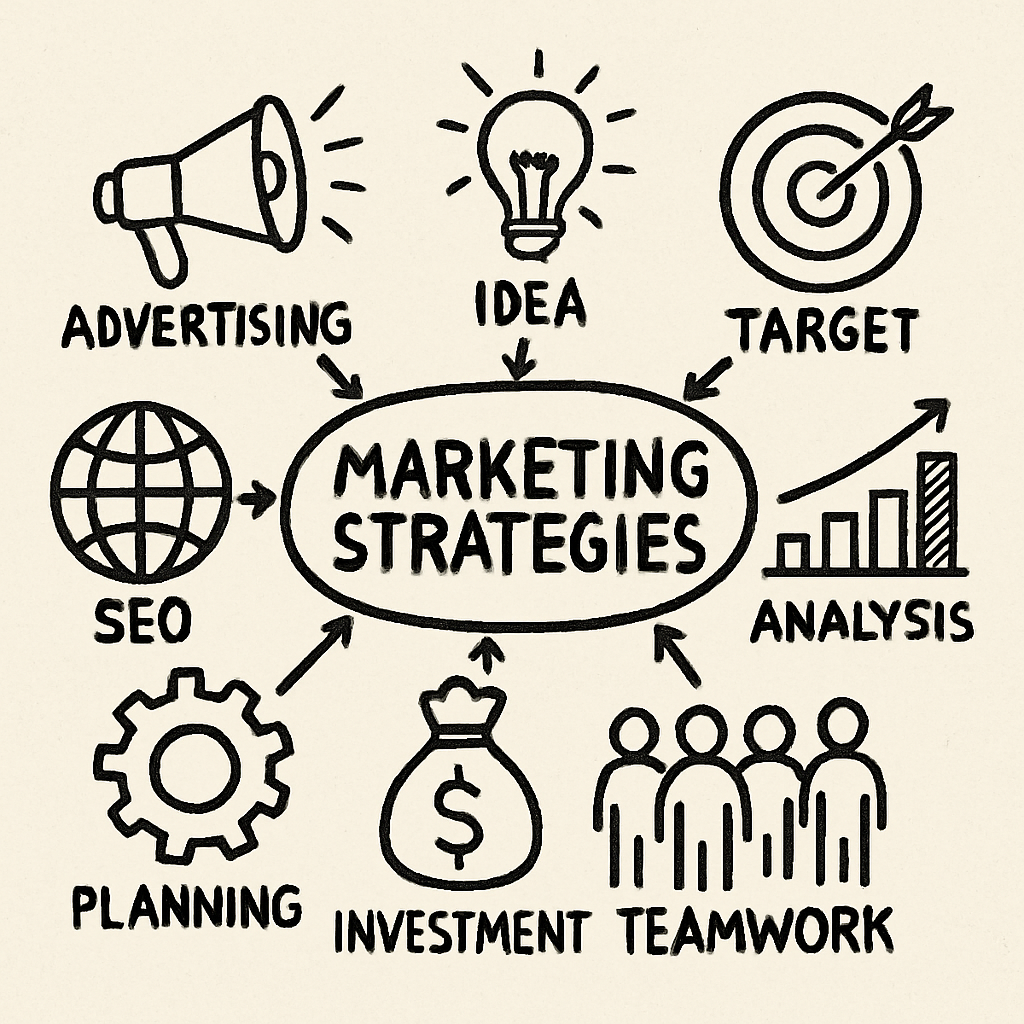
Marketing also involves a deep understanding of market dynamics and consumer behavior. It’s about leveraging different communication channels and platforms to reach your audience where they are most active. Effective marketing requires a blend of creativity and analytics, where innovative ideas are backed by data-driven insights. This comprehensive approach ensures that marketing efforts are aligned with business objectives and audience expectations, leading to sustainable growth and profitability.
The Purpose of Marketing
Marketing is not just about selling; it’s about understanding customer needs and creating value. The primary purpose of marketing is to attract and retain customers by delivering value and satisfaction. It involves understanding what customers want, developing products or services that meet those needs, and promoting them effectively. Marketing also plays a crucial role in building brand awareness, establishing a strong brand identity, and fostering customer loyalty. By consistently communicating your brand’s value proposition, marketing helps to differentiate your offerings in a crowded marketplace.
Moreover, the purpose of marketing extends to nurturing long-term relationships with customers. It’s about creating an emotional connection that goes beyond transactional interactions. By focusing on customer satisfaction and loyalty, marketing ensures that customers not only purchase once but continue to choose your brand repeatedly. Effective marketing transforms customers into brand advocates who willingly share their positive experiences, thereby enhancing your brand’s reputation and reach.
What Does Marketing Entail?
Marketing entails a wide range of activities, including market research, product development, pricing strategies, advertising, sales promotions, public relations, and distribution. It’s a multifaceted process that requires a strategic approach to reach and engage target audiences effectively. Each aspect of marketing plays a crucial role in creating a cohesive strategy that drives business success. The integration of these activities ensures that all marketing efforts work harmoniously to achieve common goals.
In addition to traditional activities, modern marketing also involves digital strategies such as search engine optimization (SEO), content marketing, and social media engagement. These digital components are crucial in today’s technology-driven world, where consumers are more connected and informed than ever before. The ability to adapt and integrate new marketing technologies is essential for staying competitive and relevant in the ever-evolving marketplace. By employing a holistic approach, businesses can ensure that their marketing efforts are both comprehensive and cohesive.
Key Metrics for Measuring Marketing Success
1. Return on Investment (ROI)
ROI is a critical metric for evaluating the success of your marketing campaigns. It measures the profitability of your marketing efforts by comparing the revenue generated to the cost of the campaign. A positive ROI indicates that your marketing strategies are effective and generating profit, while a negative ROI suggests the need for adjustments. By regularly assessing ROI, businesses can make informed decisions about where to allocate their marketing budget for maximum impact.
In addition, analyzing ROI can help identify which marketing channels and tactics deliver the best results. This insight allows for more strategic planning and optimization of future campaigns. It’s essential to consider both the short-term and long-term ROI, as some marketing strategies may take time to show substantial returns but contribute significantly to brand building and customer retention over time. Understanding these nuances can help businesses balance immediate results with sustainable growth.
2. Conversion Rate
Conversion rate measures the percentage of visitors who take the desired action, such as making a purchase or signing up for a newsletter. A high conversion rate indicates that your marketing messages are resonating with your audience and compelling them to take action. Monitoring conversion rates can help you identify areas for improvement and optimize your marketing strategies. By analyzing conversion data, businesses can pinpoint exactly where potential customers drop off in the sales funnel and make necessary adjustments.
Moreover, conversion rate optimization is an ongoing process that involves testing different elements of your marketing strategy, such as headlines, calls-to-action, and landing page design. Small tweaks and adjustments based on data insights can lead to significant improvements in conversion rates. This iterative approach ensures that marketing efforts are continually refined and aligned with customer preferences and behaviors.
3. Customer Acquisition Cost (CAC)
CAC measures the cost of acquiring a new customer. It’s calculated by dividing the total marketing expenses by the number of new customers acquired. A lower CAC indicates that your marketing strategies are cost-effective and efficient. By reducing CAC, you can improve profitability and allocate resources more effectively. Tracking CAC over time also provides insights into the effectiveness of different marketing channels and tactics.
Understanding CAC is crucial for budgeting and forecasting, as it directly impacts your company’s bottom line. By comparing CAC with Customer Lifetime Value (CLV), businesses can assess the overall profitability of their marketing efforts. A healthy balance between CAC and CLV ensures that the cost of acquiring customers is justified by the revenue they generate over time. This balance is key to sustainable growth and long-term business success.
4. Customer Lifetime Value (CLV)
CLV measures the total revenue a customer generates over their lifetime with your business. It helps you understand the long-term value of your customers and the impact of your marketing efforts on customer retention. By increasing CLV, you can boost revenue and build stronger customer relationships. CLV encourages businesses to focus on customer satisfaction and loyalty, as retaining customers is often more cost-effective than acquiring new ones.
Furthermore, CLV provides valuable insights into customer segments that offer the most value to your business. By identifying high-value customers, you can tailor your marketing efforts to nurture these relationships and enhance their experience with your brand. This targeted approach not only increases CLV but also strengthens customer loyalty and advocacy, leading to a more robust and resilient business model.
5. Brand Awareness
Brand awareness measures how well your target audience recognizes and remembers your brand. It’s an essential metric for assessing the impact of your marketing efforts on brand visibility and recognition. Increased brand awareness can lead to higher sales and customer loyalty. Building brand awareness involves consistent messaging and engagement across multiple channels to ensure that your brand remains top-of-mind for your audience.
Additionally, brand awareness is a critical factor in influencing consumer perception and decision-making. A strong brand presence can differentiate your products or services from competitors and establish trust and credibility with your audience. By investing in brand awareness campaigns, businesses can create a solid foundation for their marketing efforts, ultimately leading to increased market share and customer loyalty.
Tools and Techniques for Measuring Marketing Success

Several tools and techniques can help you measure and analyze your marketing success effectively:
1. Google Analytics
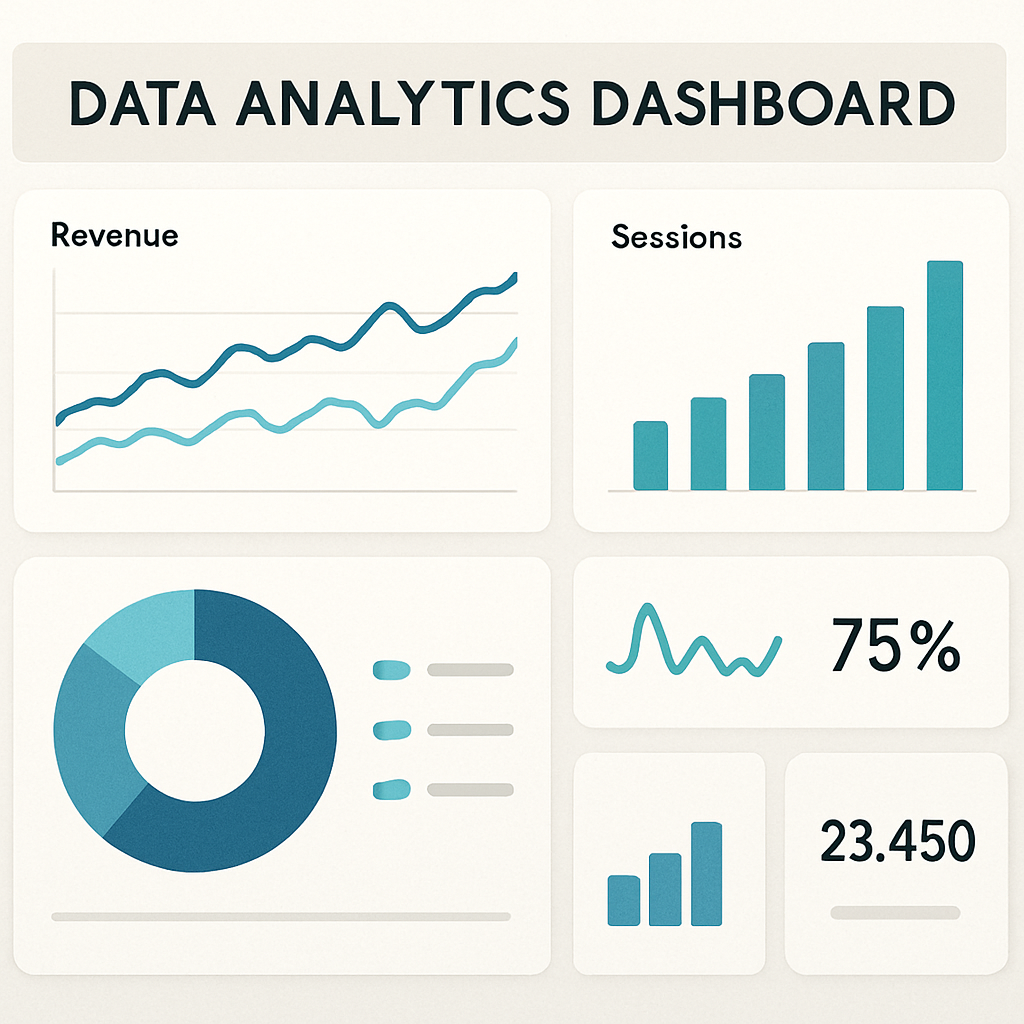
Google Analytics is a powerful tool for tracking website traffic, user behavior, and conversion rates. It provides valuable insights into how visitors interact with your site and which marketing channels are driving the most traffic. By analyzing this data, you can optimize your marketing strategies and improve overall performance. Google Analytics also offers customizable reports and dashboards, allowing you to focus on the metrics that matter most to your business.
In addition, Google Analytics integrates with other marketing tools and platforms, providing a comprehensive view of your digital marketing efforts. This integration enables businesses to track the customer journey across multiple touchpoints and gain insights into the effectiveness of different marketing channels. By leveraging the full capabilities of Google Analytics, businesses can make data-driven decisions that enhance their marketing strategy and drive growth.
2. Customer Surveys
Customer surveys are an effective way to gather feedback and measure customer satisfaction. They provide insights into customer preferences, expectations, and perceptions of your brand. By understanding customer feedback, you can make informed decisions to enhance your marketing strategies and improve customer experiences. Surveys can be conducted online, through email, or in-person, allowing for flexibility in how feedback is collected.
Moreover, customer surveys can help identify areas for improvement and innovation. By asking the right questions, businesses can uncover unmet needs and opportunities to enhance their product or service offerings. Regularly conducting surveys ensures that customer feedback is incorporated into business strategies, leading to more customer-centric marketing efforts and improved satisfaction and loyalty.
3. Social Media Analytics
Social media platforms offer analytics tools that provide insights into engagement, reach, and audience demographics. By monitoring social media metrics, you can assess the effectiveness of your social media marketing efforts and identify areas for improvement. Social media analytics can also help you understand how your brand is perceived and how well your content resonates with your audience. Platforms like Facebook, Instagram, Twitter, and LinkedIn offer insights that are crucial for refining your social media strategy.
Additionally, social media analytics provide an opportunity to engage with your audience in real-time. By analyzing comments, shares, and interactions, businesses can gauge audience sentiment and tailor their content to better meet audience expectations. This ongoing dialogue fosters a sense of community and connection, enhancing brand loyalty and advocacy. By leveraging social media analytics, businesses can make informed decisions that enhance their online presence and engagement.
4. A/B Testing
A/B testing involves comparing two versions of a marketing element, such as a webpage or an email, to determine which one performs better. It’s a valuable technique for optimizing marketing strategies and improving conversion rates. By testing different elements, you can identify what works best for your audience and refine your marketing approach. A/B testing allows for experimentation and innovation, enabling businesses to test new ideas and strategies with minimal risk.
Furthermore, A/B testing provides empirical evidence that can guide marketing decisions. By relying on data rather than assumptions, businesses can make informed choices that enhance their marketing effectiveness. This iterative process of testing and optimization ensures that marketing efforts are continually refined and aligned with audience preferences and behaviors. By embracing A/B testing, businesses can achieve higher conversion rates and better overall marketing performance.
Conclusion: Achieving Marketing Success
Measuring marketing success is essential for understanding the effectiveness of your strategies and making data-driven decisions. By tracking key metrics and using the right tools, you can gain valuable insights into your marketing performance and make informed adjustments to achieve your goals. Remember, marketing is an ongoing process that requires continuous monitoring and optimization to drive business success. By staying focused on delivering value to your customers and building strong relationships, you can achieve long-term marketing success and drive growth for your business.
Ultimately, the key to successful marketing lies in the ability to adapt and evolve. As market conditions and consumer preferences change, businesses must remain agile and responsive. By maintaining a customer-centric approach and leveraging data insights, businesses can create marketing strategies that are not only effective but also sustainable. Achieving marketing success is about more than just immediate results; it’s about building a brand that resonates with customers and stands the test of time. By committing to continuous improvement and innovation, businesses can ensure their marketing efforts contribute to long-term success and prosperity.